Permanent Lighting
Why We Test Every JellyFish Strand Before It Goes on a Signal Mountain Roof
New Age Lights • October 2026 • Signal Mountain, TN • 7 min read
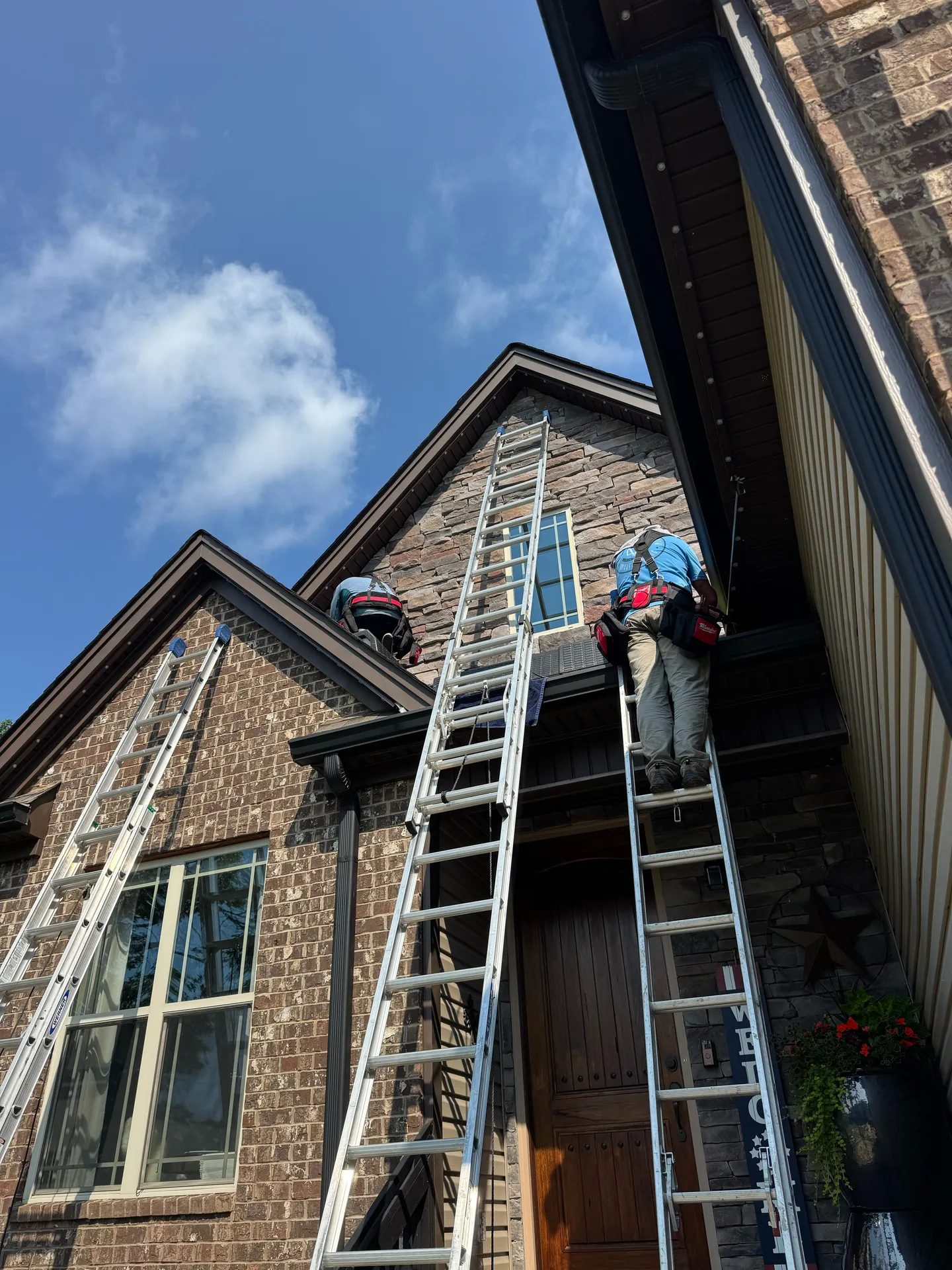
Short Answer: Every strand in a JellyFish permanent roofline system gets tested on the ground before it’s mounted. The crew sets the controller first, connects a tester cord, and checks two or three strands at a time while the rest of the crew mounts the ones already cleared. A strand that doesn’t pass doesn’t go on the house. On Signal Mountain, where lift access and dry days are the hard part of the job, catching a bad strand on the ground keeps an install from turning into a return trip.
Most of what gets written about permanent LED lighting in Chattanooga covers what you can see: the track, the colors, the app. Our step-by-step installation guide walks through the channel, the fascia penetrations, the wiring and commissioning. This post is about a step that happens in the middle of all that, and one most homeowners never hear about. It’s a big part of why a JellyFish permanent roofline lighting installation lights up evenly the first night and keeps doing it.
Why a Dead Strand Costs More on the Mountain
A house on Signal Mountain gets looked at from two places: its own street, and on the brow, the valley floor below. From that distance the outline of the roofline is the display. One dark section in an otherwise even run is the first thing anybody notices.
Getting back up to fix it is the harder part. As our Signal Mountain service page explains, access drives most mountain installs. Steep drives, narrow shoulders and trees decide where a lift can stand, and the mountain runs colder and wetter than the valley, so dry install days are scarcer. A strand that turns out to be dead after it’s seated in the track means another lift setup and another dry day, on a lot where both are hard to come by.
That’s the case for testing on the ground. It’s easier, and it’s the only point in the job where a problem is still cheap to solve.
The Controller Goes In First
The install doesn’t start at the roofline. It starts with the controller. One of our JellyFish install leads described the opening steps this way:
“We put the controller where it’s gonna go first. Then we add what we call a tester cord, which is to test the lights as they go up.”
The controller is where the whole system lives once it’s finished. It usually goes in a garage or a discreet exterior spot near an existing outlet, with low voltage runs carried back to it from the roofline. Our post on whether permanent lighting damages your roof covers how that wiring is routed. With the controller in its permanent spot, the tester cord comes next, and testing starts before any lights go up.
Testing in a Rolling Rhythm
Testing doesn’t happen in one big batch at the start of the day. It runs alongside the install the whole time:
“We test every strand of lights as they’re put up. So we test two or three strands at a time, will test two or three and set them off, and then while they’re being installed, somebody else will test two or three more. So that way they’re ready.”
In practice, one person tests a few strands and sets them aside as cleared. While those go up, someone else is already testing the next few. The crew on the roof always has tested strands waiting, nobody stands around waiting on a check, and nothing untested reaches the house.
On a mountain lot that rhythm matters for more than quality. When repositioning a lift takes real time, keeping the roof side supplied with cleared strands keeps the day moving.
What Happens When a Strand Doesn’t Pass
It doesn’t go on the house. The crew goes back and runs it again on the ground, and the problem gets sorted out before that strand ever goes up.
That’s the whole point of testing ahead of mounting. Problems get handled where they’re easy to see and easy to reach, not after the strand is seated in the track and the lift has moved to the other side of the house.
Corner to Corner Along the Track
Once cleared strands are moving, the install follows a fixed path:
“Then we start on one corner and we work.”
That matters more on Signal Mountain than almost anywhere else in the metro. Mountain homes are often older stone and brick, with rooflines broken up by dormers and additions, so the run rarely follows one clean line. Starting at a corner and working the track in sequence keeps a complicated roofline from turning into guesswork. You can see how those finished outlines look in our project gallery.
Testing Is Not the Same as Commissioning
It’s easy to blur these together, and they’re different steps.
Testing happens during the install and answers one question: does this strand work before it goes up? Commissioning happens at the end. That’s when zones get mapped, the everyday warm white gets dialed in, presets get built and scheduling gets set. The step-by-step guide covers commissioning in detail.
A system can be commissioned beautifully and still have a weak strand in it if nobody tested along the way. You want both.
When to Plan a Signal Mountain Install
Permanent lighting doesn’t have to go in during the holiday rush. Unlike a seasonal display, it can be fitted outside the season, weather permitting. A typical timeline looks like this:
- Week 1: First call and free design consult
- Week 2: Quote approved, 30% down, lights ordered the same day
- 1 to 2 weeks after approval: Color-matched track arrives
- 2 to 3 weeks after approval: Install day
That’s about four weeks from first call to lights on. On the mountain, weather is the variable to plan around, so a little extra lead time buys a dry day. If you’re budgeting, our permanent lighting cost guide explains why a brow lot prices differently from a flat lot in the valley. Our post on how permanent lighting holds up in Tennessee Valley weather covers what the mountain’s colder, wetter conditions mean once the system is up.
Three Questions Worth Asking Any Installer
Whoever you hire, ask these before install day:
- Do you test each strand before it’s mounted, or only once the whole system is up?
- If a strand fails, what happens before it goes on the house?
- Where will the controller go, and why there?
A straight answer to all three tells you a lot about how the rest of the job will go. Our guide to choosing a permanent lighting installer has more questions like these.
Permanent LED Lighting in Chattanooga, Tested Before It Goes Up
Our crew works out of the shop in McDonald and covers Signal Mountain, Hixson and the rest of the metro. Every JellyFish install we run follows the same sequence: controller first, strands tested as the work goes, track run corner to corner. If you’re weighing permanent LED lighting in Chattanooga for a mountain home, start with a free design consult or call (423) 528-1240. More answers are on our FAQ page.
Frequently Asked Questions
Do permanent lights get tested before they’re installed?
Yes. On JellyFish installs, every strand is tested on a tester cord before it’s mounted, two or three strands at a time, so only strands that have passed go up on the roof.
What happens if a JellyFish strand fails testing?
A JellyFish strand that fails testing doesn’t go on the house. The crew runs it again and sorts out the problem on the ground before it’s mounted.
Where does the controller for permanent lighting go?
The controller for permanent lighting usually goes in a garage or a discreet exterior spot near an existing outlet. On JellyFish installs, it goes in first, before any lights go up.
How long does it take to get permanent lighting installed on Signal Mountain?
A typical permanent lighting project takes about four weeks from first call to install day. On Signal Mountain, dry weather can shift the exact install date because steep, wooded lots need good conditions for lift work.
Is testing the same as commissioning a permanent lighting system?
No. Testing checks each strand during the install, before it’s mounted. Commissioning happens at the end, when zones, presets, colors and schedules are set up in the app.