Permanent Lighting
Will Permanent Lighting Damage My Roof, Soffit or Fascia? A Chattanooga Homeowner's Guide
New Age Lights • August 2026 • Chattanooga, TN • 8 min read
Do permanent lights damage the roof or soffit?
This is the most common question we get on a consult after price, and it deserves a direct answer rather than reassurance. A permanent lighting system never touches your roofing. It is fastened to the edge of the roof structure, not the roof surface, and that distinction is the whole answer.
Think about where your gutters are. They hang from the fascia board, which is the vertical trim board at the edge of the eave, and they have done so for the life of the house without damaging the roof. A permanent lighting track mounts to that same board, or to the drip edge along the top of it, or to the underside of the soffit just behind it. Screws go into wood trim that is built to carry a load. Shingles, tile, slate and metal panels are never penetrated, so the roof's weather envelope stays exactly as your roofer left it.
What does damage roofs is what a lot of seasonal DIY does: staples through shingles, nails into the ridge, clips forced under tile. A permanent install done right removes all of that from your life, twice a year, forever. Our Chattanooga FAQ covers the short version; the rest of this post is the long one.
Where the track actually mounts
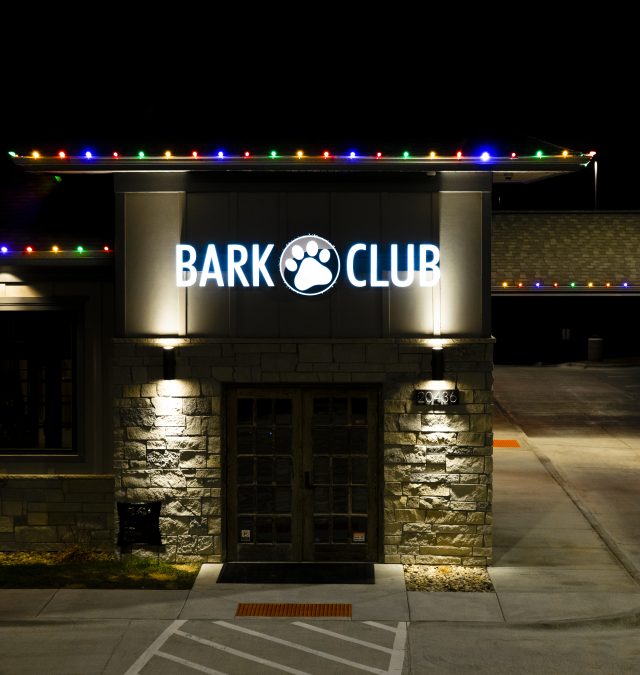
Both systems we install, JellyFish Lighting and Bosso Smart Lighting, sit in a slim channel under the roofline. The channel is color-matched to your trim so it reads as trim from the street in daylight. There are three places it can go, and the site visit decides which.
- Fascia face. The most common position on newer homes. The track runs along the fascia just below the drip edge or gutter lip, pointing down or slightly out.
- Drip edge. Where the fascia is shallow or the gutter sits high, the track can seat against the drip edge profile. The profile varies by builder and decade, which is one reason we fit two systems: they seat differently.
- Soffit underside. On deep eaves, the track can mount to the soffit and wash light down the wall and out along the edge. This is often the answer on the early-twentieth-century houses in North Chattanooga and Riverview with wide decorative eaves.
In every case the fasteners go into the trim structure. The number of fasteners and their spacing follows the manufacturer's specification, and the track is squared at every corner so it holds its line across the elevation.
How the wiring reaches the controller
Both systems are low voltage. The wiring runs inside the track itself, so there is no loose cable along the eave. At a discreet point, usually a rear or side corner or behind a downspout, the run drops and enters the house. Typically that is through the soffit or eave into the attic or garage, where the controller lives near a power outlet and solid Wi-Fi. Bosso's controller is UL-rated and waterproof and is usually sited in the garage; JellyFish's controller powers up to about 263 feet of track from a similar location.
The penetration is a small hole for a low-voltage cable, and it is sealed. It goes through trim or soffit material, not through roofing. On a walkout-rear Ooltewah house the drop is planned so it lands near the garage rather than running the length of the house, which keeps the wiring path short and serviceable.
On new construction the whole question disappears: we install during the build, before paint, and the wiring is hidden inside the structure. That is the arrangement on our home builder program, and it is why a retrofit install is planned so carefully to get as close to that finish as possible.
Chattanooga's housing, trim by trim
Chattanooga's housing runs in two directions, and each edge wants its own approach. Here is how the mount changes by material.
| Roof or trim | Where you see it | How the track is fixed |
|---|---|---|
| Asphalt shingle over wood fascia, aluminum-wrapped or vinyl soffit | East Brainerd, Ooltewah, Collegedale subdivisions from the 1980s on; newer Hixson | Track on the fascia face, fastened through the wrap into the wood fascia behind it. Straight, continuous fascia makes this the cleanest install there is. |
| Slate or clay tile | North Chattanooga, Riverview, early-twentieth-century homes | Off the fascia line or soffit entirely. The roofing is never touched. The run is planned around the eave detail rather than through it. |
| Standing-seam metal | Mountain homes; newer farmhouse-style builds toward Apison and Georgetown | Fascia or drip edge below the panels. No fastener ever enters a metal panel. The drip edge profile decides which fixture seats flush. |
| Stone or brick with wood trim | Signal Mountain, Lookout Mountain, Fort Wood | Fasten into the wood fascia or eave trim, not into masonry, wherever a wood edge exists. Where masonry is the only edge, we discuss the approach at the consult before quoting. |
| Deep decorative eaves, exposed rafter tails | St. Elmo, Fort Wood, Riverview bungalows | Soffit or fascia mount planned around the trim, with daytime appearance treated as seriously as the lit look. Historic-district rules come to the consult. |
| Older painted wood fascia | Established streets in Cleveland, Red Bank, mid-century Hixson ranches | Inspected for rot first. A soft fascia gets flagged for repair, not bolted into. Gutter replaced piecemeal over the years means the clip is chosen per edge. |
The pattern is the same throughout: the roofing is off limits, the trim structure carries the track, and the fixture is chosen for the specific edge. An installer who quotes from an aerial photo cannot know which row of that table your house is in. We measure on site.
Why the fixing method matters more in the Tennessee Valley
December in Chattanooga averages a high near 52°F and a low near 34°F, and winter is the wettest part of the year. Anything on your roofline spends weeks wet, freezes overnight and thaws by lunchtime, over and over. That cycle, not the cold itself, is what works a cheap clip loose or finds a connection that was not sealed.
A permanent track handles that differently from a seasonal string. It is fastened to structure at specified intervals, its wiring is inside an aluminum channel, and the one penetration into the house is sealed. Up on Signal Mountain, which runs colder and wetter than the valley and where ice sits longer, that is a large part of why a permanent outline suits the mountain: the hardware is chosen to be holding in January, not to be fastest to fit in October.
HOA and historic-district notes
None of this changes the physical install, but it changes the paperwork. HOA architectural committees in the newer subdivisions around Ooltewah, East Brainerd and Collegedale mostly care about what the track looks like in daylight, and a color-matched channel seated in the trim line answers most of that. Historic districts like Fort Wood and St. Elmo can be stricter about any permanent fixture on a contributing structure. Bring the rules to the consult and we design inside them. The full walk-through is in permanent outdoor lighting and HOAs in Chattanooga.
What the warranty covers
Two layers. The manufacturer covers the product: JellyFish carries five years on parts with year one bumper-to-bumper, meaning parts, labor and service; Bosso carries five years on parts and one year on labor. New Age Lights covers the workmanship, which is the part that has anything to do with your fascia. If a run loosens, a seal fails or a zone drops out, you call our McDonald office and we come out. We install and service every system we sell. Nobody hands you a manufacturer's support number.
Both manufacturers rate their LEDs at about 50,000 hours. JellyFish's earliest installs from 2016 are still running, and the national hub has a longer piece on roof and soffit questions if you want the general version.
If you ever need it removed
It rarely happens, but the honest answer is simple. The track unscrews from the fascia or soffit. What remains is a line of small fastener holes in painted trim, which are filled and touched up the same way any trim repair is. The roofing was never penetrated, so there is nothing to repair there. The sealed low-voltage penetration is closed like any other small trim hole.
In practice the system stays. It transfers with the house, the warranty registers to the homeowner, and a buyer inherits a lit roofline rather than a repair list.
Questions to ask any installer about your roof
- Where exactly will the track fasten on my house: fascia, drip edge or soffit? Will you show me on the consult?
- Will anything penetrate the shingles, tile, slate or metal? The answer should be no.
- Where does the wiring enter the house, and how is that sealed?
- Where will the controller sit, and does it have power and Wi-Fi there?
- What do you do if the fascia is soft or the gutter has been replaced in sections?
- Who do I call if a run comes loose in year three?
If you are also weighing a seasonal display, the same questions apply and the list is longer; see 12 questions to ask a Christmas light installer in Chattanooga.
Frequently asked questions
Do permanent lights damage the roof or soffit?
Not when they are installed correctly. A permanent track fastens to the fascia board or drip edge, the same structure your gutters already hang from, or to the underside of the soffit. Nothing is nailed, screwed or stapled through shingles, tile, slate or metal roofing, so the roof's weather envelope is never opened. On older tile and slate roofs New Age Lights works off the fascia line entirely.
How does the wiring get from the roofline to the controller?
The wiring runs inside the track, drops at a discreet corner or behind a downspout, and typically enters the house through the soffit or eave into the attic or garage, where the low-voltage controller sits near power and Wi-Fi. Every penetration is sealed. On new construction the wiring is hidden inside the build before paint.
Can permanent lighting be installed on a slate or tile roof?
Yes. The roofing material itself is never touched. On the early-twentieth-century homes in North Chattanooga and Riverview with tile and slate, the track goes on the fascia or gutter edge and the run is planned around the eave detail rather than through it. Daytime appearance is planned as carefully as the lit look.
What about a metal roof?
The same rule applies: the track mounts to the fascia or drip edge below the roofing, not to the panels. Metal roofs are common on mountain homes and newer farmhouse-style builds around Ooltewah and Apison, and the fixing method does not change. What we check is the drip edge profile, because that decides which fixture seats flush.
What happens if the lighting ever has to be removed?
The track unscrews from the fascia, leaving small fastener holes in painted trim that are filled and touched up like any other trim repair. The roofing is untouched because it was never penetrated. In practice removal is rare, since the system is rated for about 50,000 hours and transfers with the house.
Is the installation covered by a warranty?
Yes. JellyFish carries five years on parts with year one covering parts, labor and service; Bosso carries five years on parts and one year on labor. New Age Lights adds its own workmanship warranty and services every system it installs, so a loose run or a dark zone is a call to our McDonald office, not a manufacturer's support line.
Have us look at your fascia before you decide
We walk the roofline, show you exactly where the track will sit and where the wiring will enter, and give you a fixed quote. Free consult, no obligation, and we tell you if your trim needs attention first.
Get a free quote or call (423) 528-1240.