Permanent Lighting
Will Permanent Lighting Survive Tennessee Valley Weather?
New Age Lights of Chattanooga • October 2026 • Chattanooga, TN • 7 min read
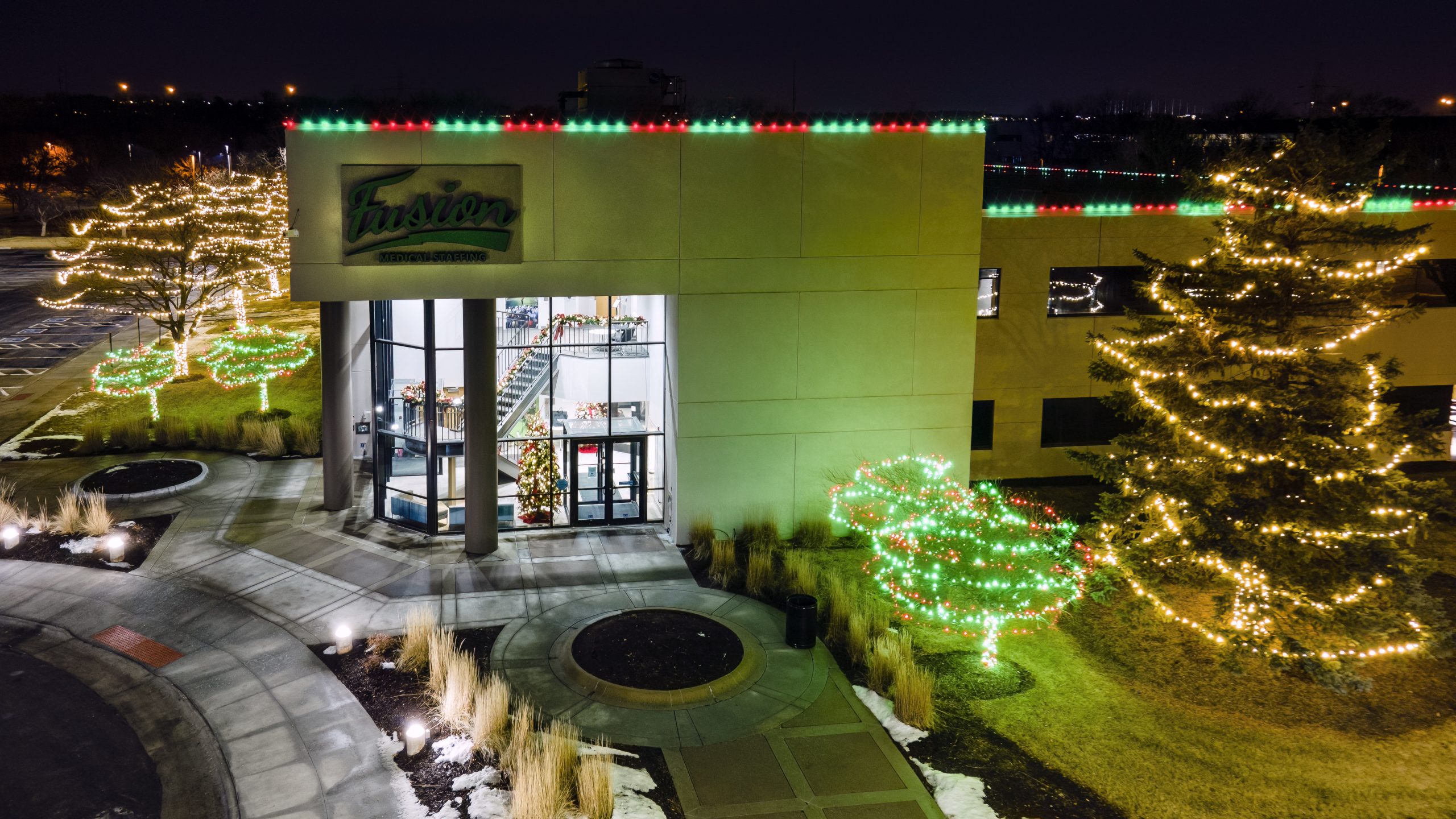
Short Answer: The systems are built for permanent exposure and the failure modes are predictable. UV degrades plastics, which is why extruded aluminum channel outlasts plastic in our summers. Moisture intrusion kills fixtures, which is why the sealing rating matters and why fascia penetrations are the real vulnerability. Freeze and thaw cycling works at any gap repeatedly through a Tennessee Valley winter. None of that is a reason to avoid the product. It is the reason component quality and installation detail determine whether you get five years or fifteen.
Anything mounted permanently outdoors in this region is signing up for a demanding set of conditions. Summer humidity and heat, intense UV, severe thunderstorms, and a winter that cycles above and below freezing repeatedly rather than staying cold.
Permanent lighting is designed for that, and the range of how well different systems handle it is wide. Here is what actually degrades these installations and what separates the ones that last.
UV Is the Slow One
Sunlight is the most consistent stressor and the one that produces the most visible aging.
UV breaks down polymers. Plastic channel becomes brittle, loses flexibility, and discolors, typically yellowing or chalking. A white plastic channel that looked clean at installation can look noticeably aged in a few southeastern summers, and once it becomes brittle it cracks rather than flexes with thermal movement.
Extruded aluminum does not have this problem. It holds its shape and its powder coated finish essentially indefinitely under UV, which is the main reason it is the better material even though it costs more.
Lenses and diffusers on the fixtures themselves face the same exposure. Quality optical materials with UV stabilizers hold clarity. Cheaper ones cloud, which reduces output and changes how the light reads.
South and west facing elevations take the most of this, so if you want to judge how a system has aged, look at those rather than the shaded north side.
Moisture Is the Fast One
Water intrusion is what actually kills fixtures, and our climate supplies plenty of opportunity.
Chattanooga gets substantial annual rainfall and sustained humidity through much of the year. Driven rain during a summer thunderstorm reaches surfaces that vertical rain never touches, and our storms deliver that regularly.
Fixtures are rated for ingress protection, and the rating should be a number you are told rather than a claim of being weatherproof. That rating describes what the fixture is sealed against and it is the specification worth asking for.
Connections are the weak point more often than the fixtures themselves. Every junction between segments is a potential entry, and sealed connectors versus simple push fittings is a meaningful difference over a decade in this humidity.
The controller and transformer need appropriate enclosures if mounted outdoors, and mounting them in a garage where possible removes the question entirely.
The Penetrations Are the Real Vulnerability
This is the failure that costs the most and it has nothing to do with the lights.
Mounting channel to fascia means fasteners through a surface that exists to keep water out of the roof structure. Each of those is a potential path, and the consequence of a bad one is not a dim section, it is water in your soffit or roof framing.
Freeze and thaw cycling is what works at them. A Tennessee Valley winter does not freeze and stay frozen, it oscillates, and each cycle expands and contracts whatever moisture has found its way into a gap. Over several winters that enlarges a small gap into a real one.
Proper sealing at installation and corrosion resistant fasteners are the entire answer. There is no maintenance that compensates for it being done badly, which is why it is the question to ask before hiring rather than after.
If you have an existing system and want to check, look for staining on the fascia beneath fasteners. Rust streaks indicate plated hardware corroding, and that is worth addressing before it progresses.
Storms and Wind
Severe thunderstorms are routine here through spring and summer, and the ridges and valleys around Chattanooga channel wind in ways that flatter terrain does not.
A properly fastened aluminum channel handles wind well because it is a low profile continuous member rather than something with surface area to catch. The exposure is at terminations and where a run crosses a gap.
Falling limbs are the more realistic threat, particularly on the wooded lots common across this area. A limb across a roofline can damage a section of channel, and that is a serviceability question. Systems where a damaged segment can be replaced individually are considerably better positioned than ones where a run is a single unit.
Lightning is worth a mention. Surge protection on the controller and transformer is inexpensive relative to replacing them, and in a region with our thunderstorm frequency it is worth asking whether it is included.
Hail damages fixtures occasionally, and whether that falls under warranty or homeowners insurance is worth knowing in advance rather than discovering after.
Cold Weather Performance
LEDs actually do well in cold, which surprises people who expect winter to be the hard season.
LED efficiency improves slightly at lower temperatures, and the diodes themselves are unbothered by the range our winters produce. Heat is harder on LED longevity than cold is, which means our summers stress the system more than our January does.
Snow and ice accumulation on a channel is generally not a structural concern given the low profile, and it melts off. Ice dams along a roof edge are a roofing issue rather than a lighting one, though a channel in the path of one experiences the associated moisture.
The cold weather consideration that does matter is the material one. Plastics become brittle at low temperature, so a plastic channel that has already been UV degraded is most likely to crack during a cold snap. Aluminum does not have that combination of failure modes.
What Maintenance Is Actually Required
Low maintenance rather than no maintenance, and the real list is short.
Fixture lenses accumulate dust, pollen, and grime, and our spring pollen season is not gentle. A dirty lens costs output and shifts color slightly. Occasional cleaning, which on a roofline generally means during another reason to be up there, restores it.
Gutter and roofline debris matters indirectly. A channel packed with leaf debris holds moisture against itself, and clearing gutters in fall addresses it as a side effect.
Watching for a section that has gone dim or off relative to its neighbors is the useful habit, because that usually indicates a connection issue rather than a diode failure, and catching it early keeps it a service call rather than a section replacement.
Beyond that, these systems genuinely ask very little. The maintenance burden is dramatically lower than seasonal installation, which is one of the practical arguments for them.
How Long These Systems Actually Last
Worth setting a realistic expectation, since the marketing numbers describe components rather than installations.
LED diodes are commonly rated in tens of thousands of hours, which on a system running a few hours each evening is a very long time. That rating describes the diode and it is not what determines the life of your installation.
What determines it is everything around the diode. Channel material under UV, connector sealing against humidity, fastener corrosion, and the integrity of the penetrations. A well built system with quality components installed carefully is a long horizon product. A cheaper one in this climate is a considerably shorter one, and the difference shows up around year five rather than year one.
That gap is the reason component questions matter more than warranty length. A ten year warranty on a product that will visibly age in four is a promise you will be exercising rather than a reassurance.
What to Do Next
If you are shopping, ask for four specifications rather than assurances. Channel material, fixture ingress protection rating, connector type, and fastener material. Those four determine most of how the system ages here.
Ask whether individual sections can be replaced, because that determines what a limb strike or a single failure costs years from now.
Ask about surge protection on the controller and transformer, which is cheap insurance in a region with our storm frequency.
If you already have a system, walk out and look at the fascia beneath the fasteners for staining, and check south and west elevations for channel discoloration. Both are early indicators worth catching.
To discuss a system built for this climate, contact New Age Lights of Chattanooga at 423-528-1240 or visit https://newagelights.com/new-age-lights-of-chattanooga/. We serve Chattanooga, McDonald, Cleveland, Ooltewah and the surrounding communities.